
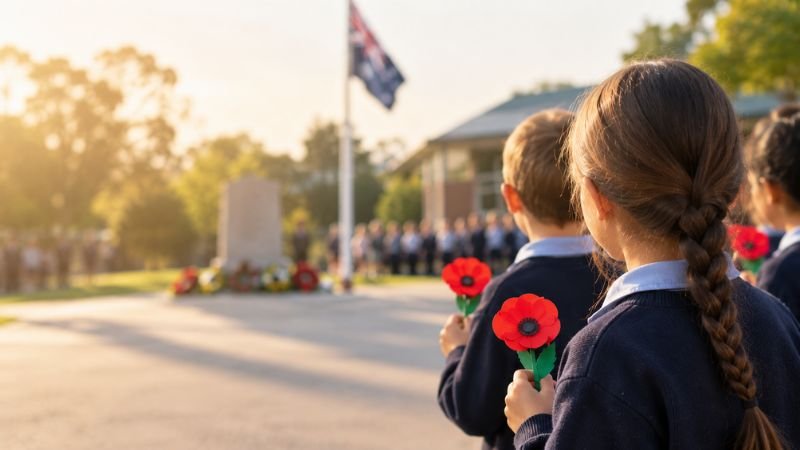
Every year on 25 April, people across Australia and New Zealand observe ANZAC Day to remember the men and women who served in wars, conflicts, and peacekeeping missions. For school children, it is an opportunity to learn about courage, kindness, teamwork, and the importance of remembering history with respect.
ANZAC Day is not about celebrating war. Instead, it is about honouring the people who served their country and remembering the sacrifices made by service members and their families. Schools often hold special assemblies, moments of silence, and classroom activities to help students understand why this day matters.
In this guide, you’ll discover what ANZAC Day means, why it is observed on 25 April, the symbols children often see during ceremonies, and fun classroom activities that make learning meaningful and age-appropriate.

What Are the 7 Steps of Writing Skills? (Complete Guide)
What Is ANZAC Day?

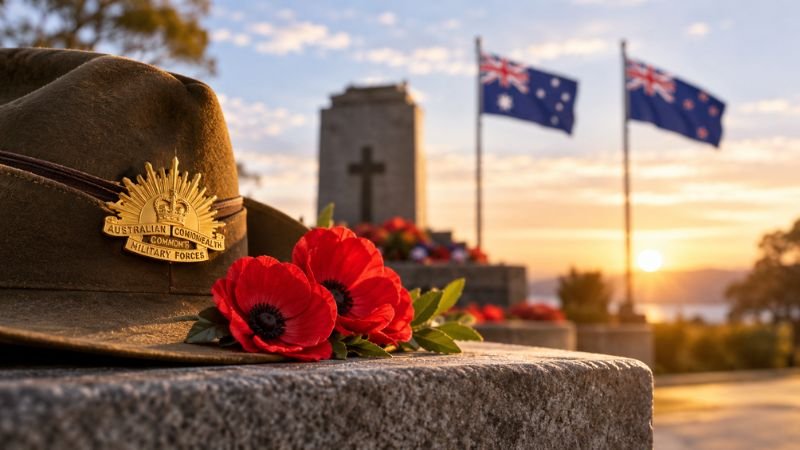
ANZAC Day is Australia’s national day of remembrance, observed every year on 25 April. It honours Australians and New Zealanders who have served in wars, conflicts, and peacekeeping operations.
For children, the simplest way to understand ANZAC Day is this:
It’s a day to remember brave people who served their country and to show respect for their sacrifice.

Many schools mark the occasion by:
- Holding a special assembly
- Observing one minute of silence
- Wearing red poppies
- Learning about Gallipoli
- Making remembrance wreaths
These activities help students understand the values of respect, gratitude, and remembrance without focusing on the violence of war.
What Does ANZAC Stand For?

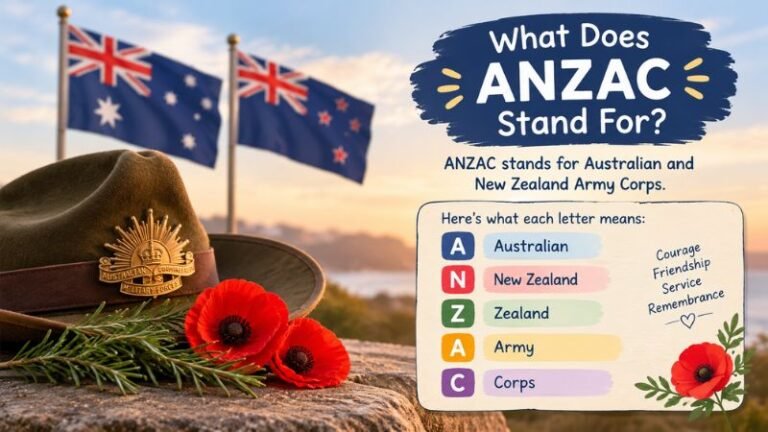
ANZAC stands for Australian and New Zealand Army Corps.

How to Structure Paragraphs Using the PEEL Method
Here’s what each letter means:

| Letter | Meaning |
|---|---|
| A | Australian |
| N | New Zealand |
| Z | Zealand |
| A | Army |
| C | Corps |
During World War I, soldiers from Australia and New Zealand served together as part of this army corps. Their bravery during the Gallipoli Campaign became an important part of both countries’ history.
Today, the word ANZAC represents courage, friendship, service, and remembrance.
Why Is ANZAC Day on 25 April?

ANZAC Day is observed on 25 April because on that date in 1915, Australian and New Zealand soldiers landed at Gallipoli in present-day Türkiye during World War I.
The Gallipoli Campaign became Australia’s first major military campaign during the war.
Although the campaign was difficult and many people lost their lives, Australians and New Zealanders continued to remember the courage, determination, and teamwork shown by those who served.
The first official ANZAC Day was held in 1916, just one year after the Gallipoli landing. Since then, people have gathered every year on 25 April to remember those who served their country.
Why Gallipoli Is Important for Kids to Learn About
Children don’t need to learn every detail of the battle to understand why Gallipoli is remembered.
Instead, they can learn that:
- Australians and New Zealanders worked together.
- Many people showed courage during difficult times.
- Remembering history helps us appreciate peace and kindness today.
ANZAC Day Timeline
1915
25 April: Australian and New Zealand soldiers landed at Gallipoli.
1916
The first official ANZAC Day was observed.
Today
Australians and New Zealanders continue to remember those who have served through ceremonies, marches, and school activities.
This timeline is an easy way for primary students to understand how ANZAC Day became an important annual tradition.
ANZAC Day Symbols Every Child Should Know
One of the easiest ways for children to understand ANZAC Day is by learning about its symbols. These objects and traditions help people remember those who served.
The Red Poppy
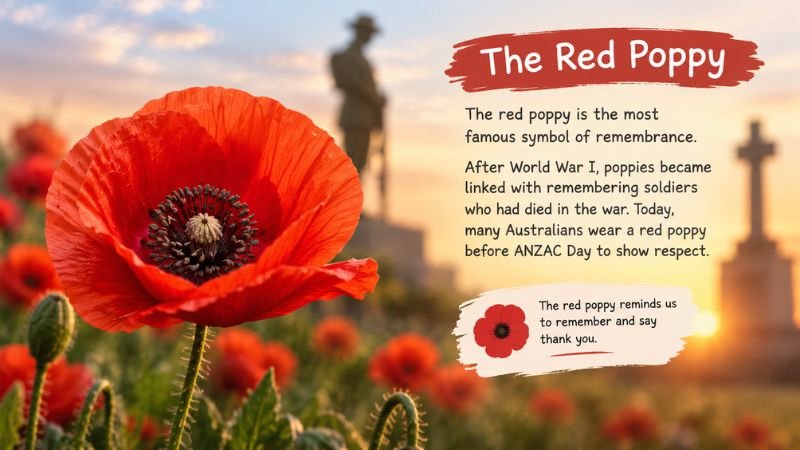
The red poppy is the most famous symbol of remembrance.
After World War I, poppies became linked with remembering soldiers who had died during the war. Today, many Australians wear a red poppy before ANZAC Day to show respect.
Kids can remember it like this:
The red poppy reminds us to remember and say thank you.
Rosemary

A sprig of rosemary is another important symbol.
The herb grows naturally in parts of the Gallipoli region, so many people wear rosemary on ANZAC Day as a sign of memory and honour.
Wreaths
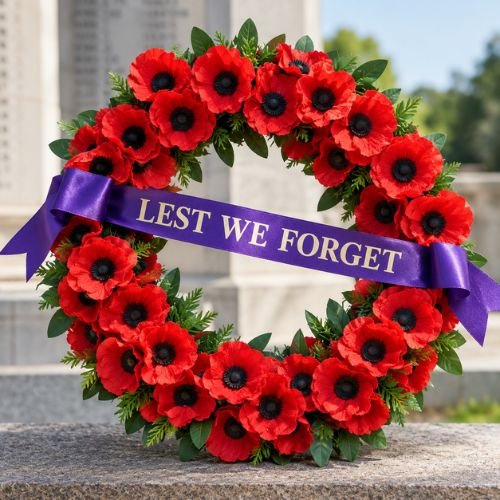
A wreath is a circle made from flowers or leaves.
People place wreaths at memorials during ceremonies as a respectful way to honour those who served.
Schools often make paper wreaths that students can display during assemblies.
The Dawn Service
One of the most important ANZAC Day traditions is the Dawn Service.
Many ceremonies begin early in the morning because the original Gallipoli landing happened around dawn in 1915. Dawn services also connect with the military tradition of preparing before sunrise.
The Last Post
During many ceremonies, a bugler plays a tune called the Last Post.
It signals a quiet moment for people to reflect and remember.
One Minute of Silence
After the Last Post, people usually stand quietly for one minute.
Even young children can take part by standing respectfully and thinking about why people gather on ANZAC Day.
What Happens on ANZAC Day?
Across Australia, communities hold ceremonies that help people remember together.
A typical ANZAC Day ceremony may include:
- A Dawn Service
- A welcome by community leaders
- The Last Post
- One Minute of Silence
- Wreath-laying
- The Australian National Anthem
- A community march or parade
What Happens at School?
Many schools organise age-appropriate activities such as:
- School assemblies
- Reading a short remembrance poem
- Wearing handmade poppies
- Making wreaths
- Listening to stories about kindness and service
These activities help children understand remembrance in a respectful and gentle way.
What Does "Lest We Forget" Mean?

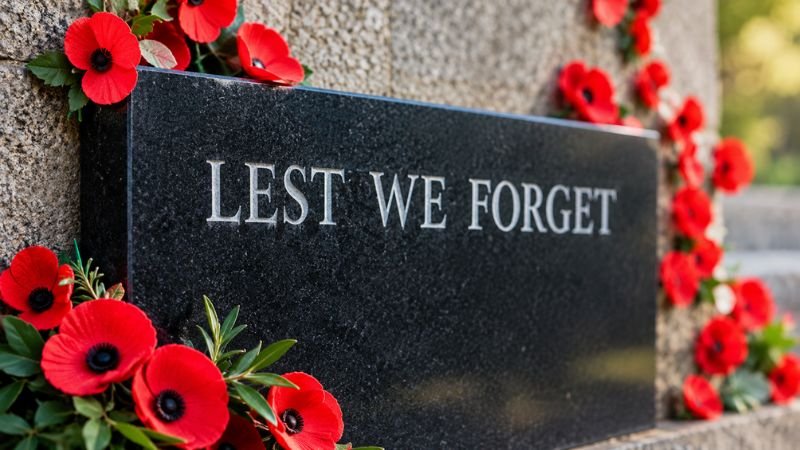
You may hear the words “Lest We Forget” during ANZAC Day ceremonies.
For children, it simply means:
We should remember the people who served and the sacrifices they made.
These words remind people that remembering history is important so future generations continue to show respect and gratitude
Easy ANZAC Day Facts for Primary Students
Here are some quick facts children can easily remember.
| Fact | Answer |
|---|---|
| When is ANZAC Day? | 25 April |
| What does ANZAC stand for? | Australian and New Zealand Army Corps |
| What happened in 1915? | The Gallipoli landing |
| What flower is a symbol of remembrance? | Red poppy |
| What herb is worn on ANZAC Day? | Rosemary |
| When was the first ANZAC Day? | 1916 |
| Why do people stand silently? | To show respect |
| Who celebrates ANZAC Day? | Australia and New Zealand |
These facts work well as classroom revision before an assembly.
10 Easy ANZAC Day Classroom Activities
Hands-on activities help children understand remembrance in an engaging and respectful way. Many Australian education resources recommend creative activities alongside simple historical learning.
1. Make a Paper Poppy
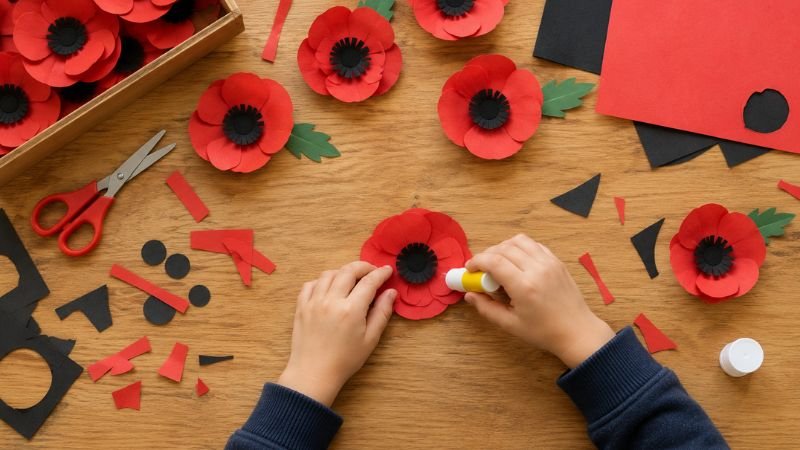
Best for: Prep–Year 2
Children cut out red paper petals, create a poppy, and write one word such as:
- Kindness
- Courage
- Respect
- Remember
Display them on a classroom wall.
2. Create a Remembrance Wreath
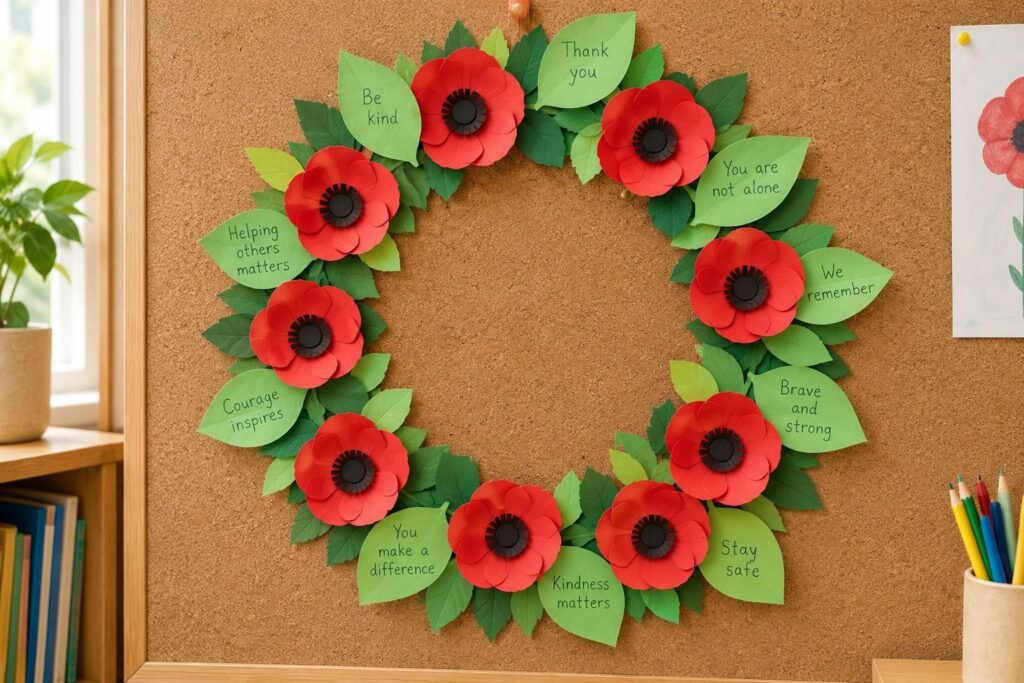
Best for: Year 1–3
Students make a large class wreath using green paper leaves and red flowers.
Each child can add their name or a kind message.
3. Colouring Activity
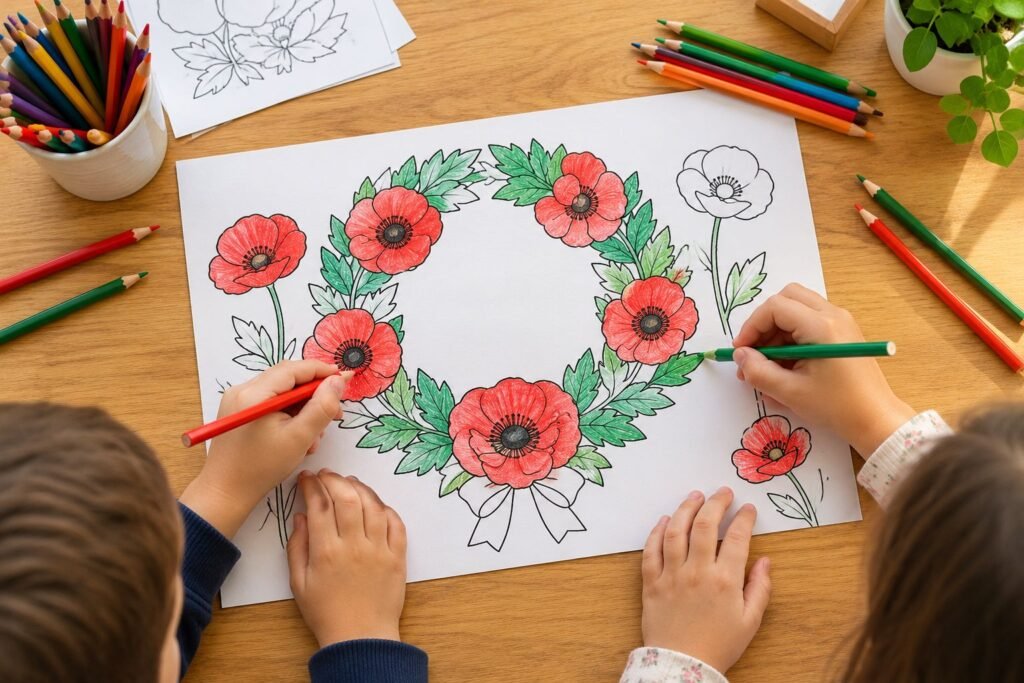
Best for: Prep–Year 2
Provide simple colouring pages featuring:
- Poppies
- Wreaths
- Memorials
- Australian flags
Colouring helps younger children participate in a calm and meaningful way.
4. Build an ANZAC Timeline
Best for: Year 3–5
Students arrange important dates in order.
Example cards:
- 1915 Gallipoli landing
- 1916 first ANZAC Day
- Today’s remembrance ceremonies
This reinforces historical sequencing.
5. Map Gallipoli
Best for: Year 4–6
Show a map of:
- Australia
- New Zealand
- Türkiye
- Gallipoli Peninsula
Students can trace where the soldiers travelled.
6. Write a Thank-You Message
Best for: Year 2–4
Children write a short respectful note beginning with:
Thank you for…
The activity focuses on gratitude rather than war.
7. ANZAC Word Search
Best for: Year 2–5
Include words like:
- ANZAC
- Poppy
- Gallipoli
- Rosemary
- Dawn
- Respect
- Peace
Word searches build vocabulary while reinforcing learning.
8. Read an ANZAC Story Together
Best for: All ages
Teachers can read an age-appropriate story that explains remembrance through children’s experiences instead of battlefield details. The Department of Veterans’ Affairs offers story-based resources designed for younger primary students.
9. Bake ANZAC Biscuits

Best for: All ages (with adult supervision)
ANZAC biscuits are a traditional treat connected with ANZAC Day.
Students can:
- Measure ingredients
- Mix the dough
- Bake together
- Talk about traditions while cooking
This combines history with practical learning.
10. Classroom Reflection Circle
Best for: Year 3–6
Ask students to complete one sentence:
- “Today I learned…”
- “I can show respect by…”
- “Kindness means…”
This encourages thoughtful discussion.
ANZAC Day Discussion Questions
These questions help teachers encourage respectful conversations.
Prep–Year 2
- Why do people wear poppies?
- What does remembering mean?
- How can we be respectful during an assembly?
Year 3–6
- Why is history important?
- What does courage look like today?
- Why do communities gather on ANZAC Day?
- How can young people show respect during remembrance ceremonies?
These questions encourage thinking without requiring children to discuss graphic details.
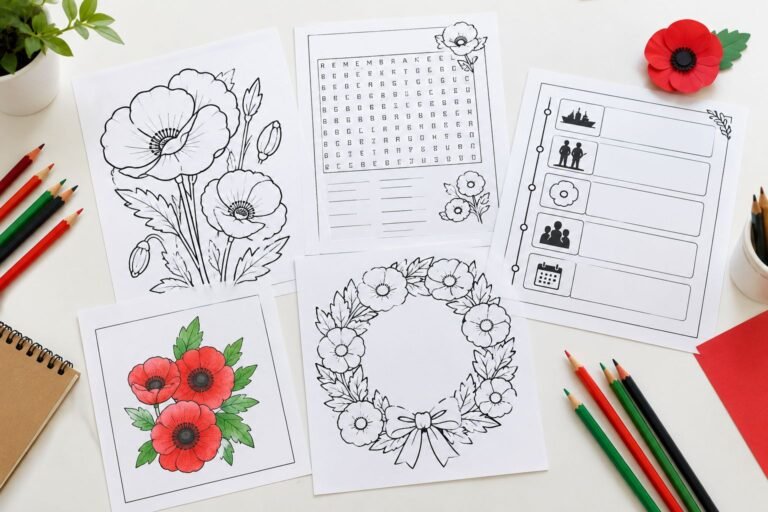
Printable ANZAC Day Ideas

Teachers and parents can also use printable resources before 25 April.
Dates differ by state, so check the Australian school holidays when planning your activities.
Ideas include:
- Poppy colouring sheets
- Wreath templates
- Word searches
- Timeline worksheets
- Remembrance writing pages
- Symbol matching activities
Many official Australian education resources provide free classroom-ready worksheets that align with the Australian Curriculum.
How Parents Can Explain ANZAC Day to Children

Parents often wonder how much children should know about ANZAC Day.
The good news is that young children do not need to hear difficult details to understand why the day matters.
Keep It Simple
Try saying:
ANZAC Day is when we remember people who served their country and thank them for their courage.
Focus on Values
Talk about:
- kindness
- helping others
- bravery
- teamwork
- respect
These ideas are easier for children to understand than military history alone.
Answer Questions Honestly
If your child asks about Gallipoli, give short, truthful answers using age-appropriate language.
Attend a Local Ceremony
If your family is comfortable attending, children can experience:
- wreaths
- silence
- music
- community remembrance
Seeing these traditions often helps children understand their importance.
Read Together
Storybooks written for primary-aged children can make ANZAC Day easier to understand while keeping the tone gentle and respectful.
Frequently Asked Questions
What is ANZAC Day in simple words?
ANZAC Day is a day when Australians and New Zealanders remember the people who served in wars, conflicts, and peacekeeping missions.
Why is ANZAC Day on 25 April?
It marks the day Australian and New Zealand soldiers landed at Gallipoli in 1915 during World War I.
What does ANZAC stand for?
It stands for Australian and New Zealand Army Corps.
Why do children wear red poppies?
The red poppy is a symbol of remembrance and respect for those who served.
What does "Lest We Forget" mean?
It means we should continue remembering the people who served and the sacrifices they made.
What happens during a Dawn Service?
No. It is also observed in New Zealand, and commemorative ceremonies are held at significant historical locations such as Gallipoli in Türkiye.
What activities can schools do for ANZAC Day?
Schools often hold assemblies, make poppies and wreaths, complete timelines, colour remembrance pages, read stories, and discuss the meaning of respect and remembrance.
What age should children learn about ANZAC Day?
Children can begin learning about ANZAC Day in early primary school through simple stories, symbols, and respectful classroom activities designed for their age group.
What is the difference between celebration and commemoration?
A celebration is about enjoying a happy occasion, while a commemoration is about respectfully remembering people and important events from history. ANZAC Day is a commemoration.
Conclusion
ANZAC Day helps children learn an important lesson: remembering history can teach us about courage, kindness, and respect.
By understanding what ANZAC stands for, why 25 April is significant, and what symbols like the red poppy, rosemary, and wreath represent, students gain a meaningful appreciation of one of Australia’s most important national days of remembrance.
Whether children take part in a school assembly, create a paper poppy, bake ANZAC biscuits, or simply observe one minute of silence, these experiences help them understand that remembrance is about honouring people who served while valuing peace and community today.